


Why Sewer Scope Inspections Matter After Late Summer Rain in Chicago
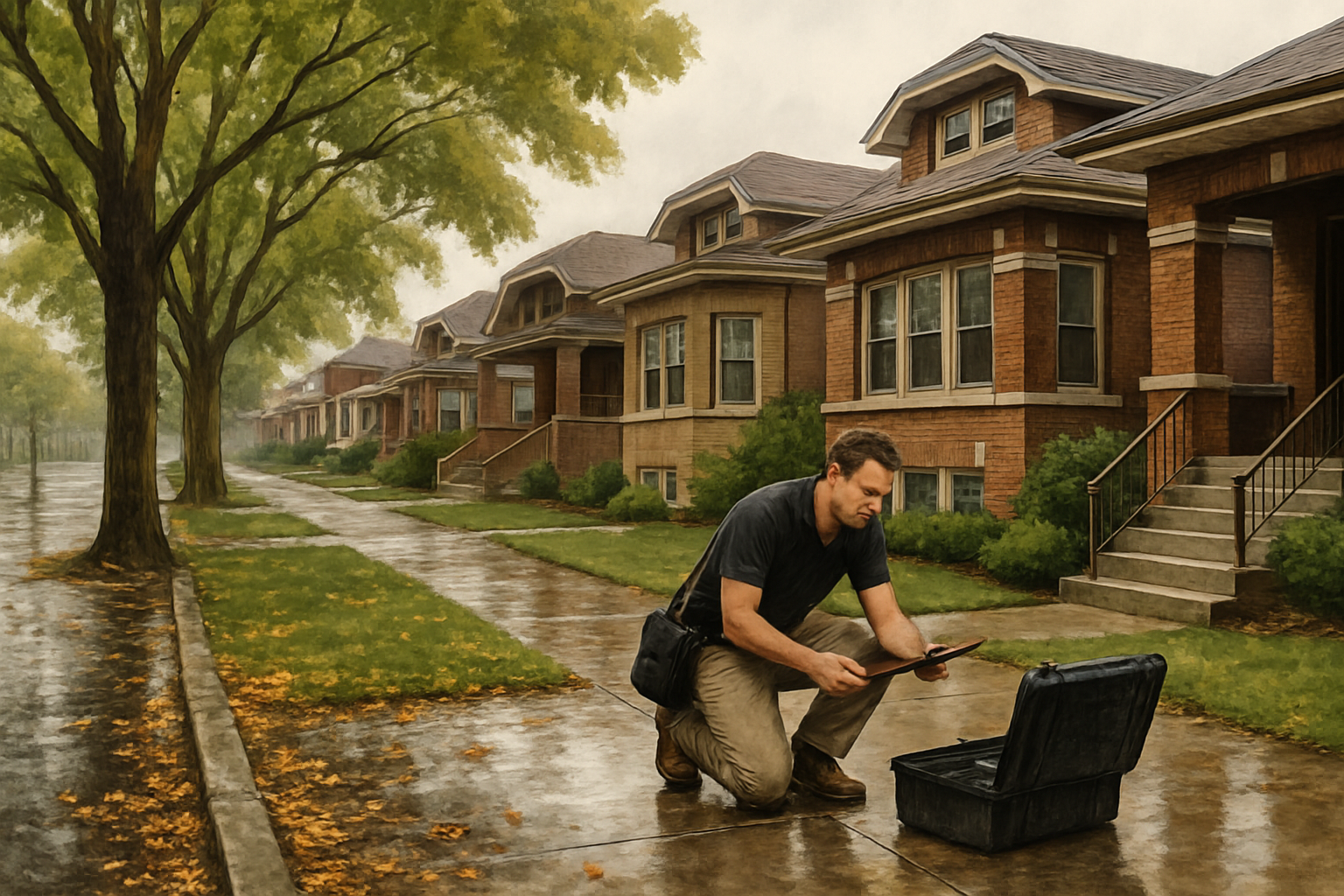
September in Chicago has a way of keeping homeowners on their toes. One week can feel like summer, the next brings cool lake breezes, and in between we often see late-season thunderstorms and heavy downpours. For homeowners and homebuyers, that September rain can reveal a lot about a property—especially what is happening underground.
At Windy City Home Inspection, Inc., we know that sewer issues are not always obvious during a standard walk-through. A sink may drain normally, a toilet may flush fine, and the yard may look dry by the time you arrive. But after late summer rain, Chicago’s aging sewer infrastructure, saturated soil, tree roots, and older clay or cast-iron lines can create serious hidden problems. That is why a sewer scope inspection is one of the smartest add-ons you can schedule, especially during the early fall real estate season.
Key Takeaways:
- Schedule a sewer scope after heavy September rain to identify backups, root intrusion, cracks, and drainage problems before they become expensive repairs.
- Do not rely on normal indoor plumbing alone; toilets and sinks can work properly while the main sewer line still has serious defects.
- Older Chicago homes are especially vulnerable due to aging clay, cast iron, and Orangeburg sewer lines, as well as mature tree roots.
- Homebuyers should request a sewer scope before closing so repair costs or further evaluations can be addressed during negotiations.
Why September Rain Matters for Chicago Sewer Lines
Late summer and early fall rains can put extra pressure on a home’s drainage and sewer system. In Chicago, this is especially important because many neighborhoods have older housing stock, mature parkway trees, and sewer lines that may have been underground for decades. When soil becomes saturated after a strong storm, weak points in the sewer line can become easier to detect.
Heavy rainfall can contribute to several sewer-related issues, including:
- Water infiltration: Cracked or separated pipes may allow groundwater to enter the sewer line.
- Slow drainage: Rain-soaked soil and debris can worsen existing blockages or restrictions.
- Tree root growth: Roots naturally seek moisture and can enter small cracks or loose joints in older lines.
- Backups: If the main line is compromised, wastewater may have trouble moving away from the home.
- Soil movement: Wet soil can settle or shift, affecting old or damaged sewer piping.
September is also a busy time for home purchases in Chicago. Families want to move before winter, sellers are motivated, and buyers are often focused on roofs, furnaces, windows, and foundations. Those are all important—but the sewer line deserves attention too. A buried sewer problem can be one of the most expensive surprises a homeowner faces.
What Is a Sewer Scope Inspection?
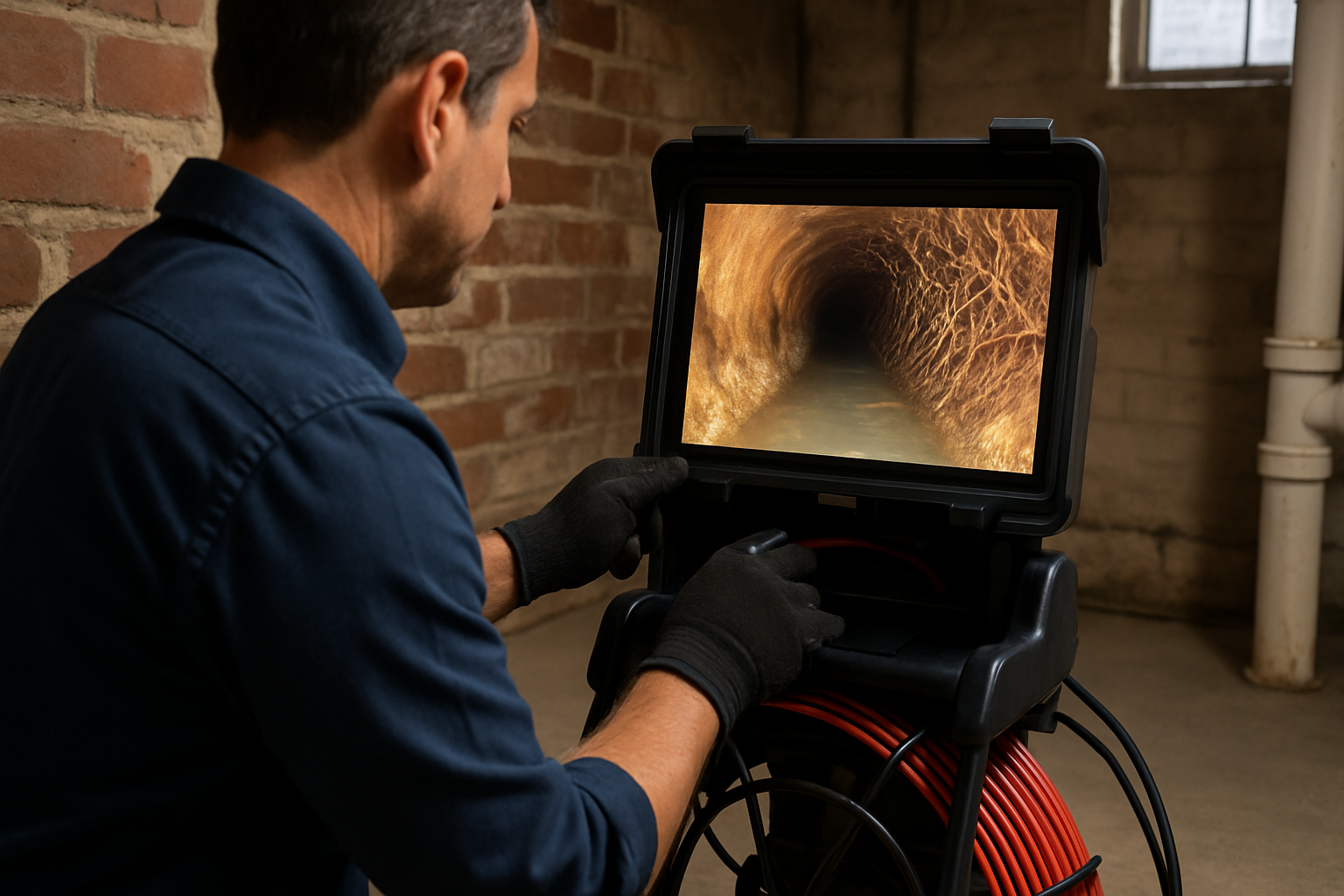
A sewer scope inspection uses a specialized camera to examine the inside of the home’s main sewer line. The camera is typically inserted through an accessible cleanout or other appropriate entry point and advanced through the line to look for defects, obstructions, and signs of deterioration.
During a sewer scope, we look for conditions such as:
- Tree root intrusion
- Cracked, broken, or collapsed pipe sections
- Bellies or low spots where water and waste collect
- Offset joints or separated pipe sections
- Grease buildup, debris, or blockages
- Evidence of older pipe materials that may be more prone to failure
- Signs of poor drainage or standing water inside the line
The goal is simple: give you a clearer understanding of the condition of the sewer lateral before a problem turns into an emergency. For homebuyers, this information can be extremely valuable before closing. For current homeowners, it can help with maintenance planning and may prevent a stressful basement backup during the next major storm.
Why Older Chicago Homes Need Extra Attention
Chicago is known for its beautiful older homes: brick bungalows, two-flats, greystones, workers cottages, and classic frame houses. Many of these properties have character and solid construction, but the underground sewer line may be original or partially replaced. That means the pipe could be clay tile, cast iron, or another older material that has seen decades of use.
Mature trees are another major factor. Many Chicago neighborhoods have large trees lining the parkways and yards. While they add shade and beauty, their root systems can be aggressive when searching for water. A tiny opening in a sewer pipe can become an entry point for roots. Over time, those roots can grow thicker, catch debris, slow drainage, and eventually contribute to a backup.
After September storms, these weaknesses can become more apparent. A pipe that was already partially restricted may struggle when more water enters the system. If the sewer line has cracks or openings, groundwater may seep in. If there is a low spot in the line, water may sit instead of flowing properly. A sewer scope helps identify these issues before they become more serious.
“The sewer scope gave us peace of mind before buying our home. Everything looked fine from the outside, but the camera found roots in the main line. We were able to address it before closing instead of discovering it during a storm.”
— Recent Windy City Home Inspection, Inc. customer in Chicago
Warning Signs You May Need a Sewer Scope
Sometimes a sewer issue gives you clues. Other times, there are no obvious symptoms until a backup occurs. If you are buying a home, we recommend considering a sewer scope even if the plumbing seems functional. However, current homeowners should pay attention to warning signs, especially after late summer rain.
Common signs of a possible sewer line issue include:
- Multiple drains running slowly at the same time
- Gurgling sounds from toilets, tubs, or floor drains
- Sewage odors inside or outside the home
- Water backing up into a basement floor drain
- Wet or sunken areas in the yard
- Frequent need for drain cleaning
- Older home with no known sewer line replacement history
If these symptoms appear after a heavy September rain, it is worth taking them seriously. Chicago weather can change quickly, and another storm may be right around the corner. Identifying the condition of the sewer line now can help you avoid a bigger problem later in the fall or winter.
Why Homebuyers Should Not Skip This Inspection
A general home inspection is an essential part of the buying process, but the main sewer line is underground and cannot be fully evaluated without specialized camera equipment. That is why a sewer scope is such a valuable add-on service.
For homebuyers, a sewer scope can help you:
- Understand the true condition of the property before closing
- Identify potentially expensive repairs early
- Request further evaluation by a plumbing contractor if needed
- Use inspection findings during attorney review or negotiation
- Plan for future maintenance if the line is functional but aging
Sewer repairs can vary widely depending on the location, depth, length of pipe affected, and whether excavation is needed. Finding out about a major issue after you own the home can be stressful. Finding out before closing gives you options.

Why Choose Windy City Home Inspection, Inc.?
As a Chicago-based company, Windy City Home Inspection, Inc. understands the unique conditions local homeowners face. We inspect homes in the same climate, neighborhoods, and soil conditions our clients live in. From older brick homes on tree-lined streets to newer construction with modern plumbing systems, we know what to look for and how to explain it clearly.
When you choose Windy City Home Inspection, Inc., you can expect:
- Local knowledge: We understand Chicago housing styles, common sewer materials, and weather-related concerns.
- Clear communication: We explain what we see in straightforward language so you can make informed decisions.
- Thorough inspection practices: We focus on visible conditions, practical observations, and reporting that helps you take the next step.
- Buyer-focused service: We know the inspection period can move quickly, and we work to provide useful information when it matters most.
- Professional perspective: Our goal is not to alarm you—it is to help you understand the property and prioritize concerns.
We believe a good inspection should do more than point out problems. It should give you confidence, context, and a better understanding of the home. Sewer scope inspections are a perfect example. A camera view of the line can reveal defects that would otherwise remain hidden until the wrong time—often during or after a heavy rain.
Schedule Before the Next Storm
September is a great time to evaluate your home’s sewer line. The late summer rain can highlight drainage concerns, and there is still time to address problems before colder weather arrives. Whether you are buying a home, selling a property, or maintaining the house you already love, a sewer scope inspection is a practical step toward protecting your investment.
If you are in Chicago or the surrounding area, contact Windy City Home Inspection, Inc. to ask about adding a sewer scope to your home inspection. The ground may dry, the puddles may disappear, and the basement may look fine—but what is happening below the surface matters.
Windy City Home Inspection, Inc. is here to help you see the whole picture—inside, outside, and underground.


