


How Older Chicago Homes Handle September Temperature Swings
September in Chicago is one of those months that keeps homeowners guessing. One day may feel like late summer, with sunshine and temperatures in the upper 70s. A few days later, a cool breeze off Lake Michigan can drop evening temperatures into the 50s. For newer homes, these swings can still be noticeable. For older Chicago homes—especially classic brick two-flats, bungalows, greystones, and workers’ cottages—they can reveal a lot about how well the home is aging.
At Windy City Home Inspection, Inc., we inspect homes throughout Chicago and the surrounding neighborhoods, and we know how local weather affects local housing. September is an ideal time to schedule a home inspection because it sits between summer heat and winter cold. That seasonal transition gives us a chance to evaluate how a home responds before harsher weather arrives.

Why September Weather Matters for Older Chicago Homes
Older Chicago homes were built to last, but they were not always built with modern insulation, ventilation, or energy-efficiency standards. Many were constructed with solid masonry walls, original wood framing, older windows, and heating systems that have been updated over time. These materials expand, contract, absorb moisture, and release heat differently than newer construction materials.
September creates a useful testing period because Chicago homes may still be dealing with leftover summer humidity while also beginning to experience cooler nights. That combination can expose issues that are easy to miss during the middle of summer or winter.
Key Takeaways:
- September temperature swings can reveal insulation gaps, drafty windows, moisture concerns, and HVAC performance issues in older Chicago homes.
- Brick, wood, roofing materials, and foundations expand and contract with changing temperatures, which can worsen existing cracks or gaps.
- A professional home inspection before winter helps buyers and homeowners plan repairs before freezing temperatures arrive.
- Windy City Home Inspection, Inc. understands Chicago’s older housing stock and the seasonal conditions that affect it.
Brick and Masonry: Strong, But Sensitive to Moisture
Chicago is famous for its brick homes, and for good reason. Brick is durable, fire-resistant, and well suited to our urban environment. However, older masonry requires careful attention, especially as temperatures begin to change in September.
During warm days, brick can absorb heat and moisture. When evenings cool down, that moisture may linger in small cracks, mortar joints, or areas where tuckpointing has deteriorated. As fall progresses into winter, trapped moisture can freeze and expand, leading to spalling, cracked mortar, or loose bricks.
During an inspection, we look closely at exterior masonry conditions, including:
- Cracked, missing, or deteriorated mortar joints
- Spalling brick faces, especially near lower walls and chimneys
- Bulging or bowing masonry walls
- Water staining near parapet walls, lintels, and windows
- Previous patchwork that may not match the original materials
These details matter because masonry repairs are often easier and less expensive when caught early. Waiting until after a Chicago winter can allow small concerns to become major repairs.
Windows, Drafts, and Heat Loss
Many older Chicago homes still have original wood windows or older replacement windows. While these can add charm and character, they may also allow drafts, condensation, or heat loss. In September, homeowners may notice that certain rooms feel chilly at night even though the rest of the house remains comfortable.
This can be caused by worn weatherstripping, gaps around window frames, aging caulk, or poor insulation in wall cavities. In some homes, windows may appear functional during summer but become a major comfort issue once cooler air moves in.
“Our inspector pointed out draft patterns around several original windows that we hadn’t noticed during the showing. It helped us understand what repairs were urgent before winter and what could wait.”
— Recent Windy City Home Inspection, Inc. customer in Lincoln Square
A professional home inspection can help identify whether draft concerns are cosmetic, maintenance-related, or signs of deeper installation or structural issues.

Heating Systems Wake Up in September
Many Chicago homeowners turn their heating systems on for the first time in late September or early October. For buyers, this makes September a valuable time to evaluate the condition of furnaces, boilers, radiators, and distribution systems.
Older homes in Chicago may have a wide range of heating setups, including forced-air furnaces, steam boilers, hot water radiator systems, or combinations created through years of remodeling. Each system has its own signs of wear.
When inspecting heating systems, we pay attention to:
- Age and visible condition of the furnace or boiler
- Signs of corrosion, leaking, or improper venting
- Condition of ductwork, radiators, piping, and valves
- Thermostat operation and overall system response
- Evidence of past repairs or deferred maintenance
Even if a system is functioning, an inspection can help buyers understand whether it is near the end of its expected service life. That information can be valuable during negotiations and future budgeting.
Attics, Insulation, and Ventilation
Temperature changes are often most noticeable in the attic. In many older Chicago homes, attic insulation may be insufficient, uneven, compressed, or disturbed by past electrical and mechanical work. During September, warm daytime air can collect in the attic, while cooler nighttime temperatures can create condensation risks if ventilation is poor.
Proper attic ventilation helps control moisture and temperature. Without it, a home may experience mold growth, roof deck deterioration, ice dam formation in winter, and higher heating costs.
During our inspections, we evaluate visible attic conditions such as insulation coverage, ventilation pathways, roof sheathing, evidence of leaks, and signs of pests. In Chicago homes with older roof structures, these details can tell an important story about how the home has handled decades of seasonal change.
Foundations and Basements During Seasonal Transitions
September can bring rain, humidity, and cooler temperatures, all of which can affect basements and foundations. Many older Chicago homes have stone, brick, block, or poured concrete foundations. Some have finished basements, while others still have unfinished utility areas that reveal original structural components.
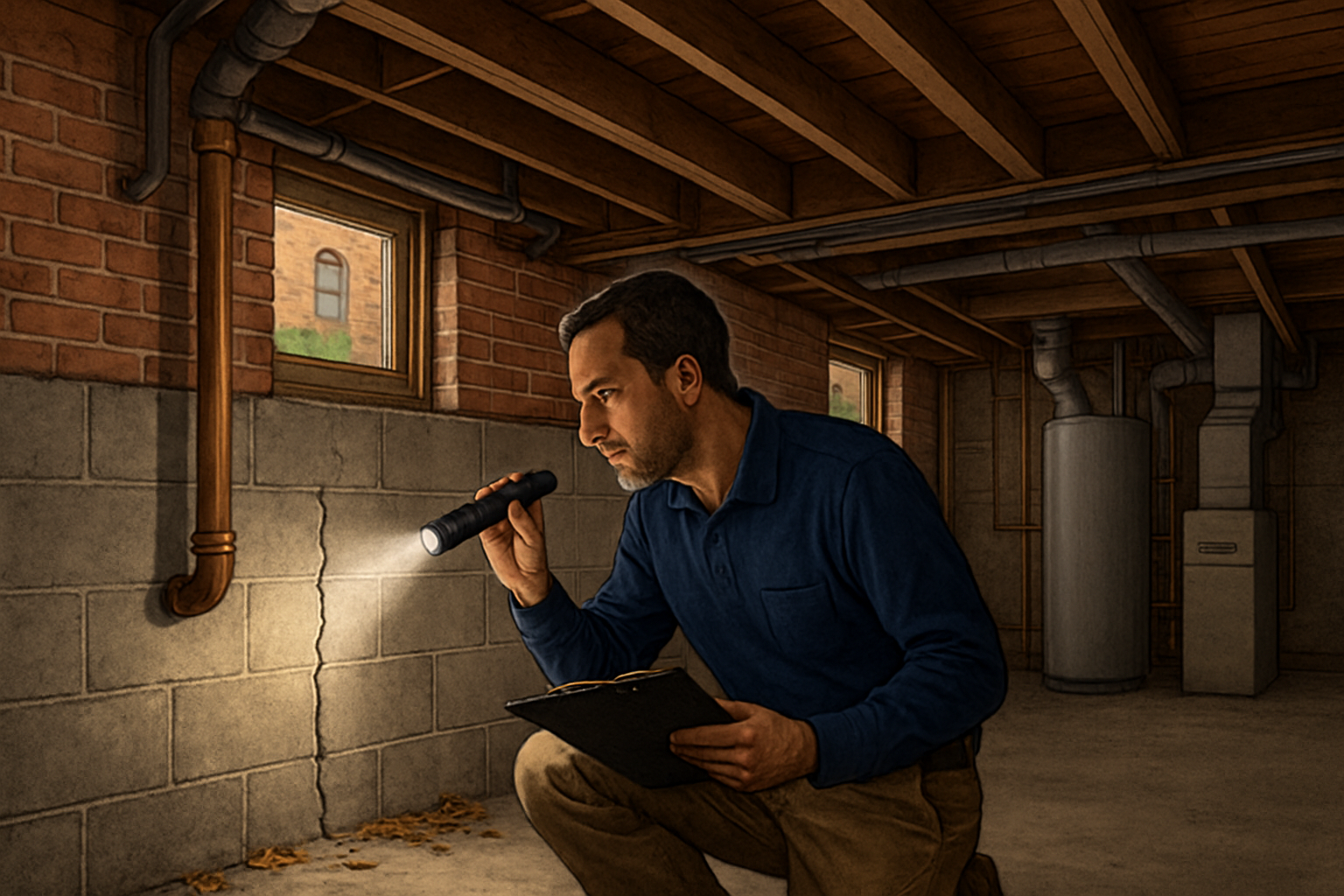
As soil moisture changes, foundations may experience movement or water pressure. Small cracks, seepage stains, efflorescence, and musty odors can indicate past or current moisture concerns. These issues are especially important to identify before winter, when freeze-thaw cycles can increase pressure on foundation walls and exterior drainage systems.
A home inspection is not just about finding defects—it is about helping buyers understand risk. If we see grading concerns, clogged gutters, short downspouts, or visible foundation cracks, we explain what those findings may mean and what type of follow-up may be appropriate.
Roofing, Gutters, and the Coming Fall Leaves
By late September, Chicago trees begin dropping leaves, and gutters can clog quickly. Older homes often have rooflines, dormers, flat roof sections, parapet walls, and aging flashing details that require close attention. Water that cannot drain properly may back up under roofing materials or spill toward the foundation.
Common exterior issues we look for include damaged shingles, worn flat roofing, deteriorated flashing, loose gutters, improper downspout extensions, and chimney concerns. These problems can become more serious once fall rain and winter snow arrive.
For potential buyers, understanding the roof condition is critical. Roof repairs and replacements can be significant expenses, and older Chicago homes often have multiple roof areas that must be evaluated carefully.
Why Choose Windy City Home Inspection, Inc.?
Choosing a home inspector is about more than checking a box during a real estate transaction. You need someone who understands the homes, neighborhoods, materials, and weather conditions that make Chicago unique.
At Windy City Home Inspection, Inc., we bring local knowledge to every inspection. We understand how a 100-year-old brick bungalow behaves differently than a newer condo, and we know what September weather can reveal before winter sets in. Our goal is to provide clear, practical information so you can make confident decisions.
Customers choose Windy City Home Inspection, Inc. because we offer:
- Detailed inspections focused on safety, function, and long-term maintenance
- Experience with older Chicago homes, masonry construction, basements, attics, and heating systems
- Clear explanations without unnecessary alarm
- Professional reporting that helps buyers, sellers, and homeowners plan next steps
- A local perspective on how Chicago weather affects home performance
Schedule Your September Home Inspection
If you are buying an older home in Chicago, September is an excellent time to schedule your inspection. The changing weather can reveal drafts, moisture patterns, HVAC concerns, exterior wear, and insulation issues before winter makes repairs more difficult.
Whether you are considering a vintage two-flat, classic bungalow, greystone, cottage, or single-family home, Windy City Home Inspection, Inc. is here to help you understand the property clearly. Older Chicago homes have character, history, and lasting value—but they also deserve careful attention from an inspector who knows what to look for.
Contact Windy City Home Inspection, Inc. today to schedule your home inspection and head into the fall season with confidence.


