


Signs Your Chicago Home May Need Radon Testing This Season
October in Chicago brings cooler nights, colorful leaves, damp mornings, and the first real signs that heating season is here. It is also one of the most important times of year to think about indoor air quality—especially radon. At Windy City Home Inspection, Inc., we talk with homeowners every fall who are preparing for winter, sealing up drafts, servicing furnaces, and spending more time indoors. That seasonal shift can make radon testing especially important.
Radon is a naturally occurring radioactive gas that comes from the breakdown of uranium in soil and rock. It is invisible, odorless, and tasteless, which means your home can have elevated levels without any obvious warning. The only way to know your radon level is to test.
Here are the key signs and seasonal reasons your Chicago-area home may need radon testing this October.
Key Takeaways:
- If your home has a basement, crawl space, sump pit, or visible foundation cracks, schedule radon testing before winter.
- October weather in Chicago often means closed windows and increased furnace use, which can affect indoor air movement and radon accumulation.
- Radon has no smell, color, or taste—testing is the only reliable way to know your home’s level.
- Windy City Home Inspection, Inc. provides professional radon testing with clear reporting and local knowledge of Chicago homes.
Why October Is a Smart Time to Test for Radon in Chicago
During the summer, Chicago homeowners often keep windows open, use fans, and spend more time outdoors. But once October arrives, the pattern changes quickly. Overnight temperatures drop, windows stay shut, and furnaces begin cycling on. This creates a tighter indoor environment where air movement can pull soil gases, including radon, into the home.
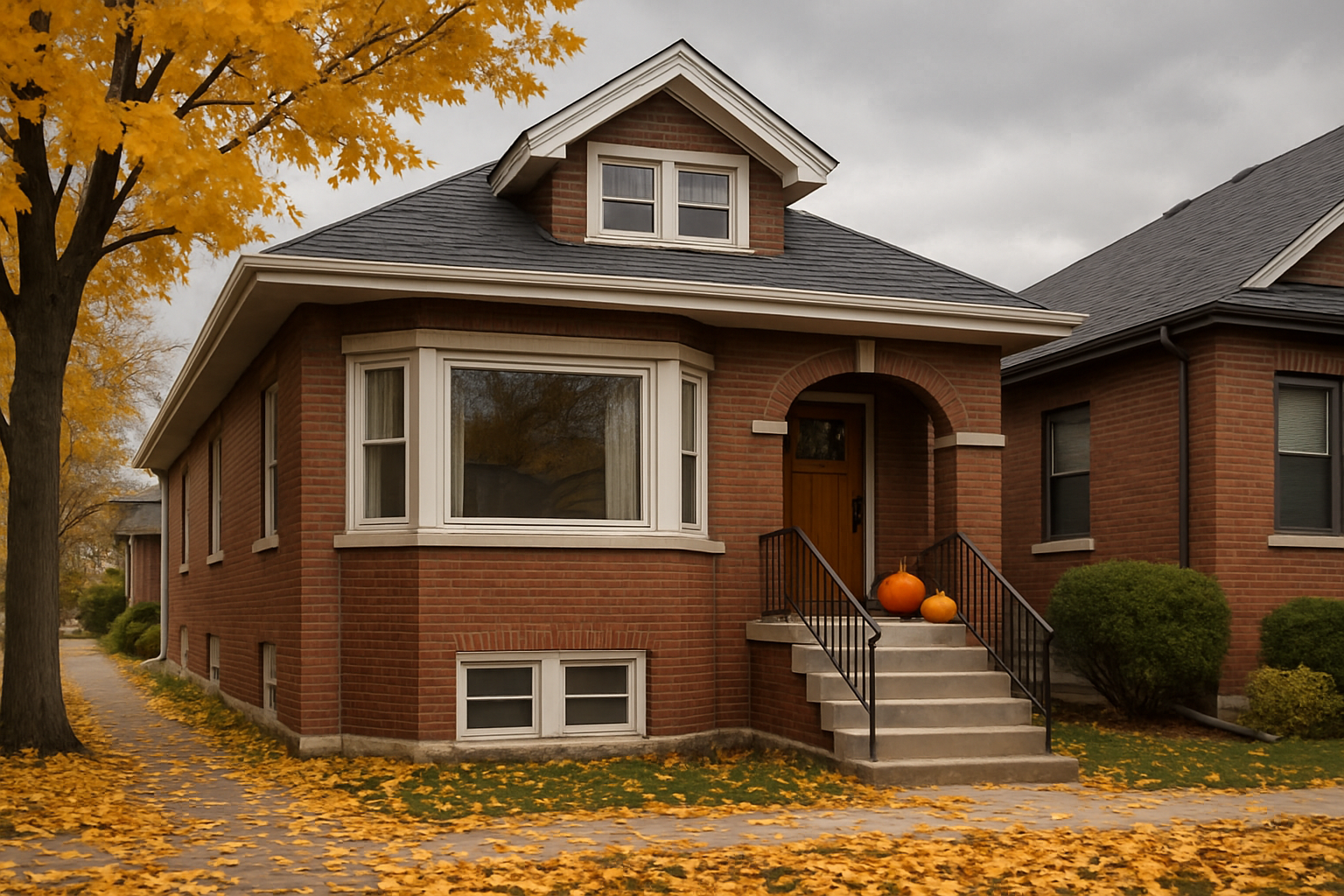
Many Chicago homes—especially older brick bungalows, two-flats, greystones, and homes with finished basements—have foundation features that can provide entry points for radon. Add damp fall weather and changing pressure conditions, and October becomes an ideal time to get a current reading.
Sign #1: Your Home Has a Basement or Lower-Level Living Space
Radon usually enters through the lowest level of a home because it comes from the soil beneath and around the foundation. If you have a basement family room, home office, bedroom, laundry area, or playroom, testing is especially important.
This matters even more if your basement is finished. A finished basement may feel comfortable and safe, but walls, flooring, and trim can hide foundation cracks or gaps where radon may enter.
- Finished basement used as a family room
- Basement bedroom or guest suite
- Home gym or office on the lower level
- Children’s play area in the basement
- Rental unit or in-law arrangement below grade
If your family spends significant time downstairs, radon testing should be part of your seasonal home maintenance plan.
Sign #2: You Notice Foundation Cracks, Gaps, or Openings
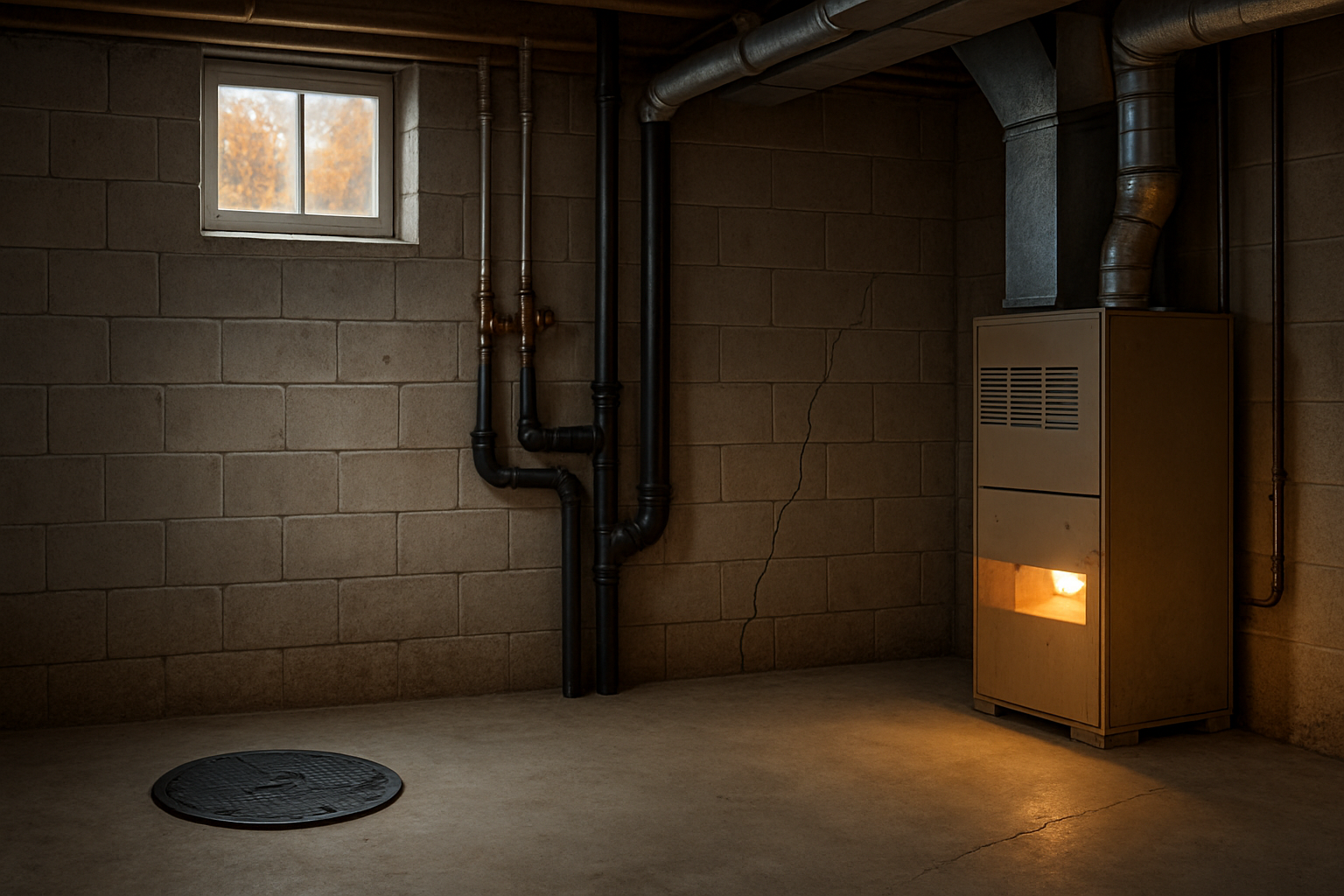
Radon can enter through small openings, even ones that seem minor. Common entry points include cracks in concrete floors, gaps around utility penetrations, sump pump openings, floor drains, and joints where the wall meets the slab.
October is a good time to inspect these areas because fall rain and temperature changes can make foundation issues more noticeable. You may see damp spots, musty odors, or small gaps that were easy to ignore earlier in the year.
While these signs do not prove you have elevated radon, they do indicate potential pathways for soil gas. Testing gives you real data instead of guessing.
Sign #3: Your Windows Are Closed and the Furnace Is Running
As the weather turns colder, your home’s air pressure changes. Warm air rises and escapes through upper levels, while replacement air is drawn in from lower areas. This is often called the stack effect. In practical terms, it can pull air from the soil into your basement or crawl space.
That soil air may contain radon. Once inside, radon can accumulate—especially when windows are closed for long periods. Chicago’s October weather is unpredictable, but once those chilly nights become routine, homes are sealed up much more tightly.
“We had no idea radon could be an issue because our basement was finished and looked perfectly maintained. Windy City Home Inspection made the testing process simple, and the report helped us make an informed decision before winter.”
— Recent Windy City Home Inspection customer, Chicago, IL
Sign #4: You Recently Bought or Are Selling a Home
Fall remains a busy real estate season in Chicago. If you are buying or selling a property, radon testing can be a smart step. Buyers want to understand the condition of the home, and sellers can benefit from being proactive before negotiations begin.
Radon levels can vary significantly from one home to another, even on the same block. Your neighbor’s test result does not tell you what is happening in your house. Construction style, foundation condition, soil composition, and ventilation all matter.
- Buying a home in Chicago or the surrounding area
- Selling and preparing for buyer inspections
- Moving into an older home with an unfinished basement
- Purchasing a home with a newly finished lower level
- Checking a property that has never been tested before
Sign #5: Your Home Has Never Been Tested—or It Has Been Years
If your home has never had a radon test, now is the time. Even if it was tested years ago, conditions can change. Renovations, new windows, insulation upgrades, foundation repairs, drain tile installation, sump pump changes, or HVAC modifications may affect how air moves through the home.
Homeowners sometimes assume that a past “low” reading means they never have to think about radon again. However, periodic testing is a good idea, especially after major changes to the home or if you are using the basement more than before.
Why Radon Testing Matters for Your Health
Radon is not just a home maintenance issue—it is a health issue. Long-term exposure to elevated radon levels is a known risk factor for lung cancer. Because radon cannot be detected by sight or smell, it is easy to overlook until a test is performed.
The good news is that testing is straightforward, and if elevated levels are found, radon mitigation systems are commonly used to reduce radon in the home. The first step is simply knowing your number.
Why Choose Windy City Home Inspection, Inc.?
At Windy City Home Inspection, Inc., we understand Chicago homes because we inspect them every day. From vintage two-flats and classic bungalows to newer condos, townhomes, and single-family homes, our team knows the construction styles, foundation conditions, and seasonal patterns that matter in our area.
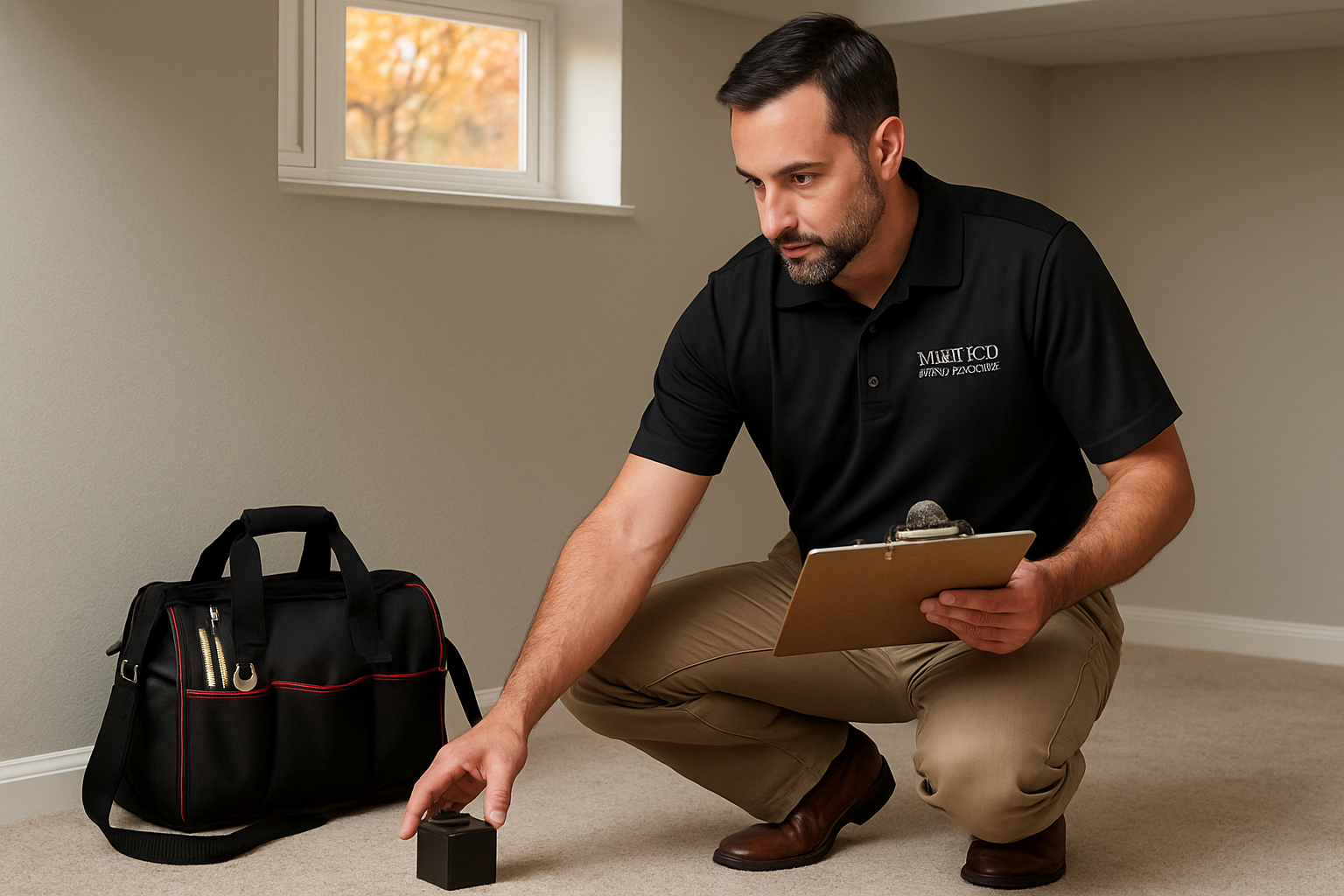
When you schedule radon testing with us, you receive more than a device placed in your home. You receive professional service, clear communication, and results you can understand.
- Local Chicago experience: We know how October weather, older foundations, basements, and heating systems can influence indoor conditions.
- Professional testing process: We follow proper placement and testing protocols to help ensure accurate results.
- Clear reporting: We explain what the results mean and what next steps may be appropriate.
- Convenient scheduling: We work with homeowners, buyers, sellers, and real estate professionals throughout the Chicago area.
- Complete home inspection knowledge: Radon is one part of the bigger picture, and we can help you understand how it relates to your home’s overall condition.
Do Not Wait Until Winter
Once winter arrives in Chicago, homes stay closed up for months. If elevated radon is present, your household could be exposed throughout the season without knowing it. October gives you a great window of opportunity: the weather has cooled, homes are beginning to operate in heating-season conditions, and there is still time to take action before the deepest cold sets in.
Whether you live in a historic Chicago neighborhood, a nearby suburb, or a newer property, radon testing is a simple step that can provide peace of mind.
Schedule Your Radon Test This Season
If your home has a basement, crawl space, sump pit, foundation cracks, or has never been tested, this is the season to act. Radon is invisible, but protecting your home starts with information.
Contact Windy City Home Inspection, Inc. today to schedule professional radon testing in Chicago, IL. We are here to help you understand your home, prepare for winter, and make confident decisions for your family’s safety.
Windy City Home Inspection, Inc.
Chicago, IL
Professional home inspection and radon testing services for local homeowners, buyers, and sellers.


