


Signs Your Chimney and Attic Need Inspection Before Cold Weather in Chicago
October in Chicago is a transition month. One week can bring sunny afternoons in the 60s, and the next can deliver cold rain, strong lake winds, and the first real reminder that winter is coming. Before you start using your fireplace regularly or turn your heating system on for the season, it is smart to make sure two often-overlooked areas of your home are ready: your chimney and your attic.
At Windy City Home Inspection, Inc., we know Chicago homes. From classic brick bungalows and two-flats to vintage greystones, condos, and newer single-family homes, our local weather puts unique stress on roofing systems, masonry, ventilation, and insulation. A chimney or attic issue that seems minor in October can turn into water damage, heat loss, mold growth, or a safety concern once winter arrives.

Why October Is the Right Time for a Chimney and Attic Inspection
Chicago weather in October is unpredictable. Cold nights, damp mornings, high winds, and heavy rain can expose problems that stayed hidden during summer. Once freezing temperatures arrive, moisture trapped in brick, mortar, roofing materials, or attic framing can expand and cause more damage.
Having your chimney and attic inspected before winter gives you time to identify concerns before they become urgent. It is much easier to schedule repairs, improve ventilation, or address moisture issues now than during a January cold snap.
Key Takeaways:
- Schedule a chimney and attic inspection in October before freezing temperatures, snow, and heavy fireplace use begin.
- Watch for warning signs like water stains, musty odors, crumbling mortar, drafts, animal activity, or uneven indoor temperatures.
- A professional inspection can help identify moisture intrusion, ventilation problems, insulation gaps, and safety concerns before winter makes them worse.
- Windy City Home Inspection, Inc. understands Chicago homes, local weather patterns, and the issues common to older masonry and attic systems in the area.
Signs Your Chimney Needs Inspection Before Cold Weather
Your chimney is exposed to Chicago weather all year long. Rain, wind, temperature swings, snow, and ice can all affect its condition. Even if you do not use your fireplace often, the chimney still needs attention because damaged masonry or flashing can allow water into your home.
Here are common signs your chimney should be inspected before winter:
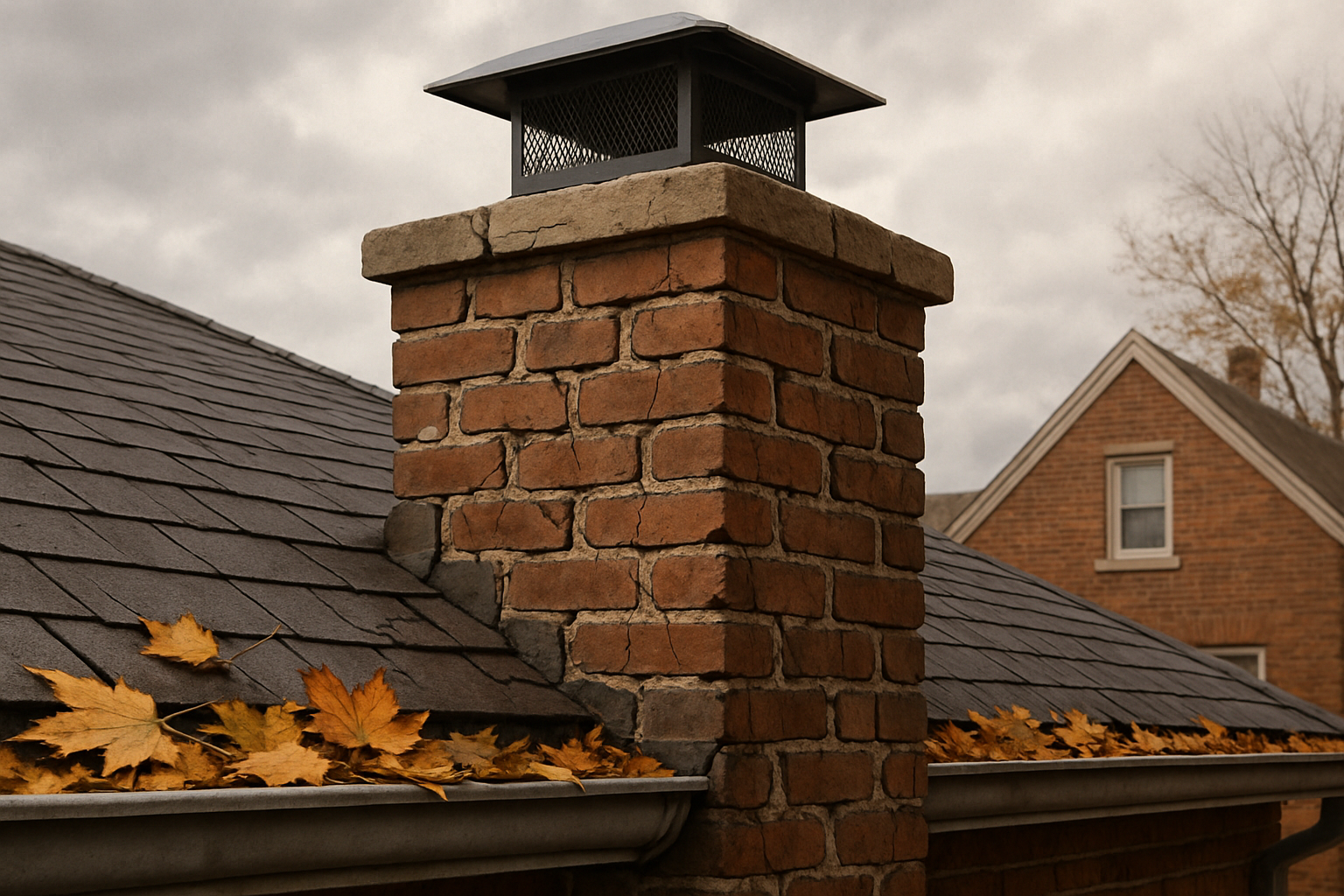
- Crumbling mortar or loose bricks: If you notice gaps, cracks, or powdery mortar between bricks, your chimney may be deteriorating from moisture and age.
- White staining on the brick: This is called efflorescence and can indicate moisture is moving through the masonry.
- Rust on the damper, firebox, or chimney cap: Rust can be a sign that water is entering the chimney system.
- Water stains near the fireplace or ceiling: Stains around the chimney area may point to flashing failure, roof leaks, or masonry issues.
- Strong smoky odors: Odors can come from creosote buildup, moisture, poor ventilation, or animal nesting materials.
- Missing or damaged chimney cap: Without a proper cap, rain, leaves, squirrels, birds, and debris can enter the flue.
In Chicago, freeze-thaw cycles are a major concern. Water can seep into small cracks in brick or mortar. When temperatures drop below freezing, that water expands, making the cracks larger. Over time, this can weaken the chimney structure and increase the risk of leaks or falling masonry.
“We thought the small stain near our fireplace was just from an old leak. Windy City Home Inspection found damaged flashing and early chimney deterioration before winter made it worse.”
— Recent Chicago homeowner
Why Chimney Issues Matter for Safety
A chimney is not just a decorative feature. It helps safely move smoke, gases, and combustion byproducts out of your home. If the chimney is blocked, damaged, or poorly maintained, it can create health and safety risks.
Potential chimney-related concerns include carbon monoxide issues, smoke backing into the home, fire hazards from creosote buildup, and water damage to surrounding walls, ceilings, and framing. While a full chimney sweep or specialized chimney contractor may be needed for certain services, a home inspection can help identify visible warning signs and recommend next steps.
Signs Your Attic Needs Inspection Before Winter
Your attic plays a major role in your home’s comfort, energy efficiency, and moisture control. In October, as Chicago homeowners begin switching from air conditioning to heating, attic problems often become more noticeable. Poor insulation, air leaks, roof leaks, and ventilation issues can all affect how your home performs during the cold months.
Watch for these signs your attic may need inspection:
- Uneven room temperatures: If upstairs rooms feel much colder or warmer than the rest of the house, insulation or air sealing may be an issue.
- High heating bills: Heat escaping through the attic can make your furnace work harder all winter.
- Musty odors: A damp or stale smell can indicate moisture, mold, or ventilation problems.
- Water stains on ceilings: Brown or yellow stains may point to roof leaks, condensation, or plumbing vent issues.
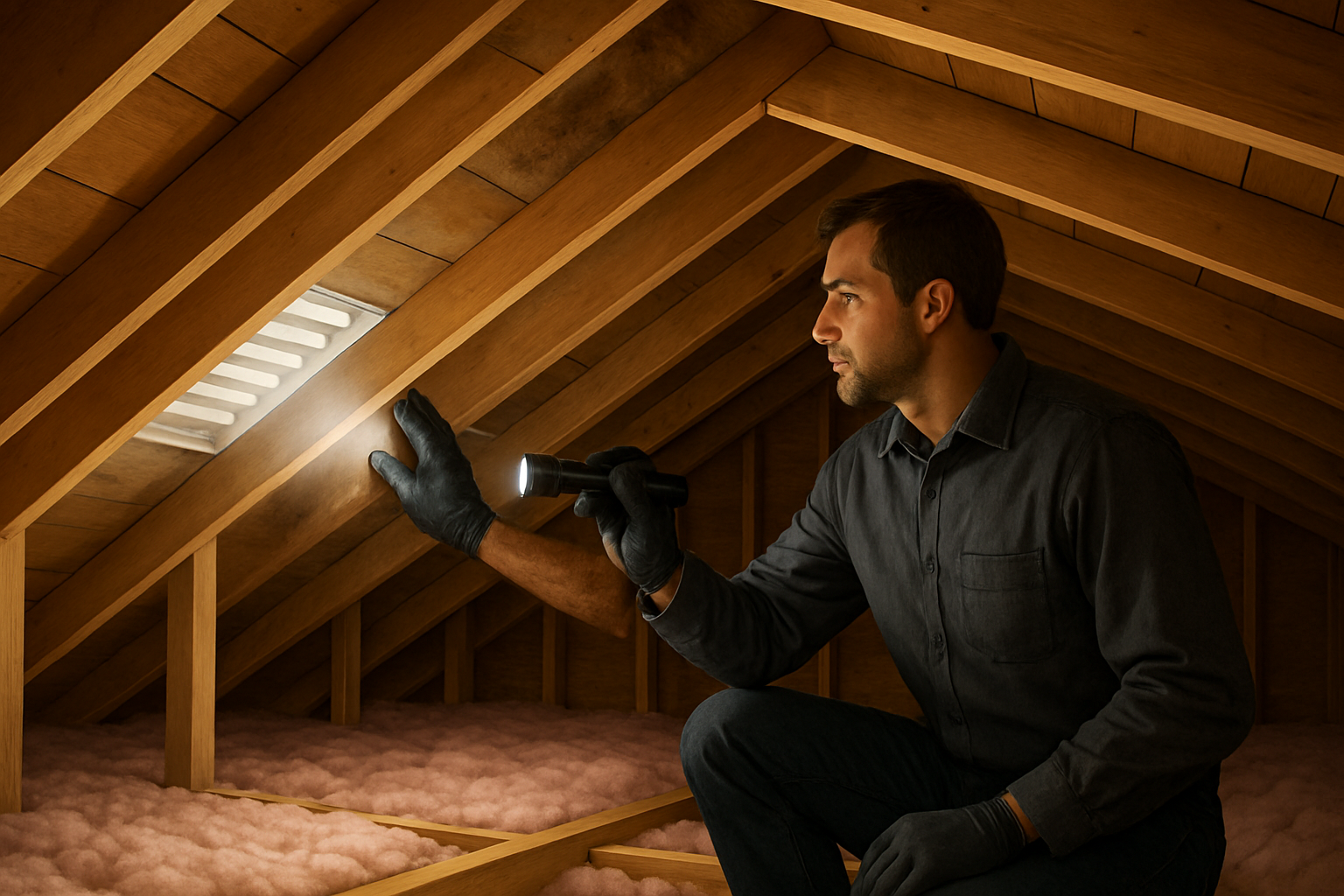
- Visible mold or dark staining on roof sheathing: This can be caused by poor ventilation or excess humidity reaching the attic.
- Animal noises or droppings: Squirrels, mice, birds, and raccoons may seek shelter as temperatures drop.
- Drafts near ceiling fixtures or attic hatches: Warm air may be escaping into the attic through gaps and penetrations.
Chicago homes, especially older properties, often have attic systems that have been modified over time. Insulation may be uneven, bathroom fans may vent improperly, and previous roof repairs may have hidden signs of past leaks. An attic inspection helps bring these conditions to light before winter weather puts extra pressure on the home.
Moisture, Ventilation, and Ice Dams
One of the biggest winter concerns in Chicago is ice dam formation. Ice dams can occur when warm air escapes into the attic, heats the roof deck, and melts snow on the roof. The melted snow runs down to colder roof edges and refreezes. Over time, ice can build up and force water under shingles, leading to leaks and interior damage.
An attic inspection can help identify conditions that contribute to ice dams, such as insufficient insulation, poor ventilation, air leakage, blocked soffit vents, or bathroom fans exhausting into the attic instead of outside. Addressing these issues before snowfall can help reduce the risk of winter roof leaks.
Even without snow, attic moisture is a serious concern. Everyday activities like showering, cooking, and laundry add humidity to the air. If warm, moist air escapes into a cold attic, condensation can form on wood surfaces and fasteners. Over time, this may lead to mold growth, wood deterioration, and poor indoor air quality.
What Windy City Home Inspection, Inc. Looks For
When we inspect chimney and attic areas, our goal is to provide clear, practical information about visible conditions. We look for signs of damage, moisture intrusion, ventilation concerns, insulation issues, safety hazards, and conditions that may require further evaluation by a qualified specialist.
During a chimney and attic inspection, we may evaluate accessible and visible items such as:
- Chimney exterior condition, including visible brick, mortar, cap, crown, and flashing areas
- Signs of water entry around the chimney or fireplace area
- Attic insulation levels and distribution
- Visible roof sheathing conditions, including staining, mold-like growth, or moisture indicators
- Ventilation components such as soffit, ridge, or roof vents where visible
- Evidence of animal activity, nesting, or entry points
- Ceiling penetrations, attic access points, and other potential air leakage areas
- Visible signs of roof leaks or condensation problems
We explain our findings in straightforward language and provide photos when appropriate, so you can understand what is happening and what steps may be needed next.
Why Choose Windy City Home Inspection, Inc.?
Choosing the right home inspector matters. You need someone who understands not only home systems, but also local construction styles and Chicago’s demanding climate. At Windy City Home Inspection, Inc., we bring local knowledge, careful observation, and honest communication to every inspection.
Our clients choose us because we focus on details that matter. We know how lake-effect weather, freeze-thaw cycles, heavy winds, aging brickwork, flat and pitched roof systems, and older attic designs can affect Chicago homes. Whether you own a vintage bungalow in Portage Park, a two-flat in Logan Square, a greystone in Bronzeville, or a single-family home on the Northwest Side, we understand the types of issues that commonly appear before winter.
We also believe that a great inspection should educate you, not overwhelm you. Our goal is to help you make informed decisions, prioritize maintenance, and protect your investment.
Do Not Wait Until the First Snow
By the time snow, ice, and freezing temperatures arrive, small problems can become expensive headaches. A loose chimney cap can let in water and animals. A minor flashing leak can damage ceilings. Poor attic ventilation can contribute to condensation and ice dams. Missing insulation can lead to uncomfortable rooms and higher heating bills.
October is the ideal time to be proactive. If you have noticed stains, drafts, odors, loose masonry, uneven temperatures, or signs of moisture, do not ignore them. Even if everything seems fine, a seasonal inspection can provide peace of mind before winter settles into Chicago.
Schedule Your Fall Home Inspection Today
Windy City Home Inspection, Inc. is here to help Chicago homeowners prepare for cold weather with confidence. A chimney and attic inspection can identify potential concerns early, giving you time to address them before harsh winter conditions arrive.
If you are getting ready to use your fireplace, concerned about attic insulation, noticing stains or drafts, or simply want to make sure your home is ready for another Chicago winter, contact Windy City Home Inspection, Inc. today. Let us help you protect your home before the cold weather moves in.


